Effective Green Roof Irrigation in the UK — Avoiding Common Pitfalls
- Irrigation Solutions

- Mar 12
- 4 min read

Green Roofs in the UK: Growing Popularity and Key Benefits
Green roofs are gaining popularity across the UK, especially in London, thanks to their eco-friendly perks:
Helps the UK cope with heat, drought, and floods
Hotter summers and heavier storms are the new normal — a green roof cools the air and holds rainwater to prevent street flooding.
Cuts heating and AC bills
Summer sun doesn't bake through the roof, winter heat stays in longer. Save up to 20–30% on electricity — less need for heating or cooling.
Cools cities from the 'urban heat island' effect
UK concrete jungles are 5–10°C hotter than suburbs or countryside. A green roof acts like lungs: evaporates water, cooling air for everyone nearby.
Captures rainwater, easing sewer strain
Absorbs up to 80% of rain like a sponge, releasing it slowly to plants. Fewer floods.
Attracts birds and butterflies
Mini garden on top draws insects, birds, butterflies — more nature in UK towns and villages.
Boosts property appeal and value
Green roof like a trendy rooftop garden: enhances looks, lifts flat/house price by 5–10%. People love living "closer to nature".
But keeping plants healthy brings unique challenges. Green roof irrigation UK is key to proper watering. Homeowners and managers often face wind drift, overwatering, and poor drainage, stressing or killing plants. Here, we'll cover common irrigation-related issues and solutions.
1. Wind Drift and Spray Misdirection
Frequent UK winds (even light ones) blow spray from micro-sprays or rotors away from plants. Wastes water, wets unwanted areas (garden paths or neighbours' plots), risks splashing passersby below.
Solution for green roof irrigation UK: Micro-sprays suit sheltered roofs but fail on open ones due to wind loss and uneven coverage. Better choice — drip line irrigation.
Drip line benefits: Water drips straight to roots like a pipette — no wind scatter, minimal evaporation. Zones watered separately — perfect for windy UK spots.
Table 1: Irrigation Options for Green Roofs and Their Comparison
Type | Benefits | Drawbacks | Best For |
Drip line (surface/subsurface) | Precise targeting, no wind drift, low evaporation; great for grasses/sedum. | Needs close spacing; higher install cost if buried. | Windy/open sites like London. |
Micro-sprays/rotors | Wide coverage, cleans foliage. | Wind loss, uneven spray; risks unwanted wetting. | Sheltered roofs. |
2. Overwatering and Waterlogging
Water pooling in soil layer (>72 hours) stresses plants, causes root rot, risks roof damage.
It's rarely just down to the irrigation system — often construction factors at install:
A clogged or poorly designed drainage system
Insufficient roof slope, causing water to collect in puddles
Inappropriate plant selection (deep-rooted plants in a shallow substrate cannot tolerate excess water)
For green roof irrigation UK, a must-have is rain sensors. They continuously measure real-time moisture and shut off watering during over-saturation.

Smart irrigation controllers (Rain Bird/Hunter) automatically adjust schedules based on upcoming rain or temperature via internet or weather stations — saving 30–50% water.

Soil moisture sensors can also be added — they measure soil moisture directly and alert if it's too wet or dry, letting you fine-tune the watering regime. This adds upfront cost but provides greater reliability, precise control over moisture levels, and healthier plants.

Table 2: Key Sensors for Green Roof Irrigation Control
Sensor Type | Benefits | Drawbacks | Recommendation |
Rain sensors | Detects rain instantly; auto-pauses irrigation to avoid waste. | None — simple and essential. | Mandatory for all UK systems to comply with regulations and save water. |
Soil moisture sensors | Measures soil moisture directly; alerts if too wet/dry for manual schedule tweaks. | Additional cost. | Improves efficiency and plant health control. |
Smart controllers | Adjusts schedule based on forecasts/temp; saves 30–50% water. | Higher upfront cost. | Enhances reliability in variable weather. |
3. Maintenance Issues and Variable UK Weather
Systems need regular checks amid unpredictable weather — wet winters, dry summers, winds. Owners face:
Pipe/line damage: Mechanical wear or rodent chewing.
Pipe freezing: Frost bursts if not drained (essential autumn shut-down).
Summer drought: Timers run on schedule, but without sensors, you don't know if water reached roots — plants dry out. Sensor alerts "too dry!" for easy adjustment.
Conclusion. Without proper care, expect water waste, higher bills, breakdowns. Recommended plan: quarterly inspections, seasonal prep (shut-down autumn/spring start-up: drain pipes), app monitoring — for year-round efficiency and savings.
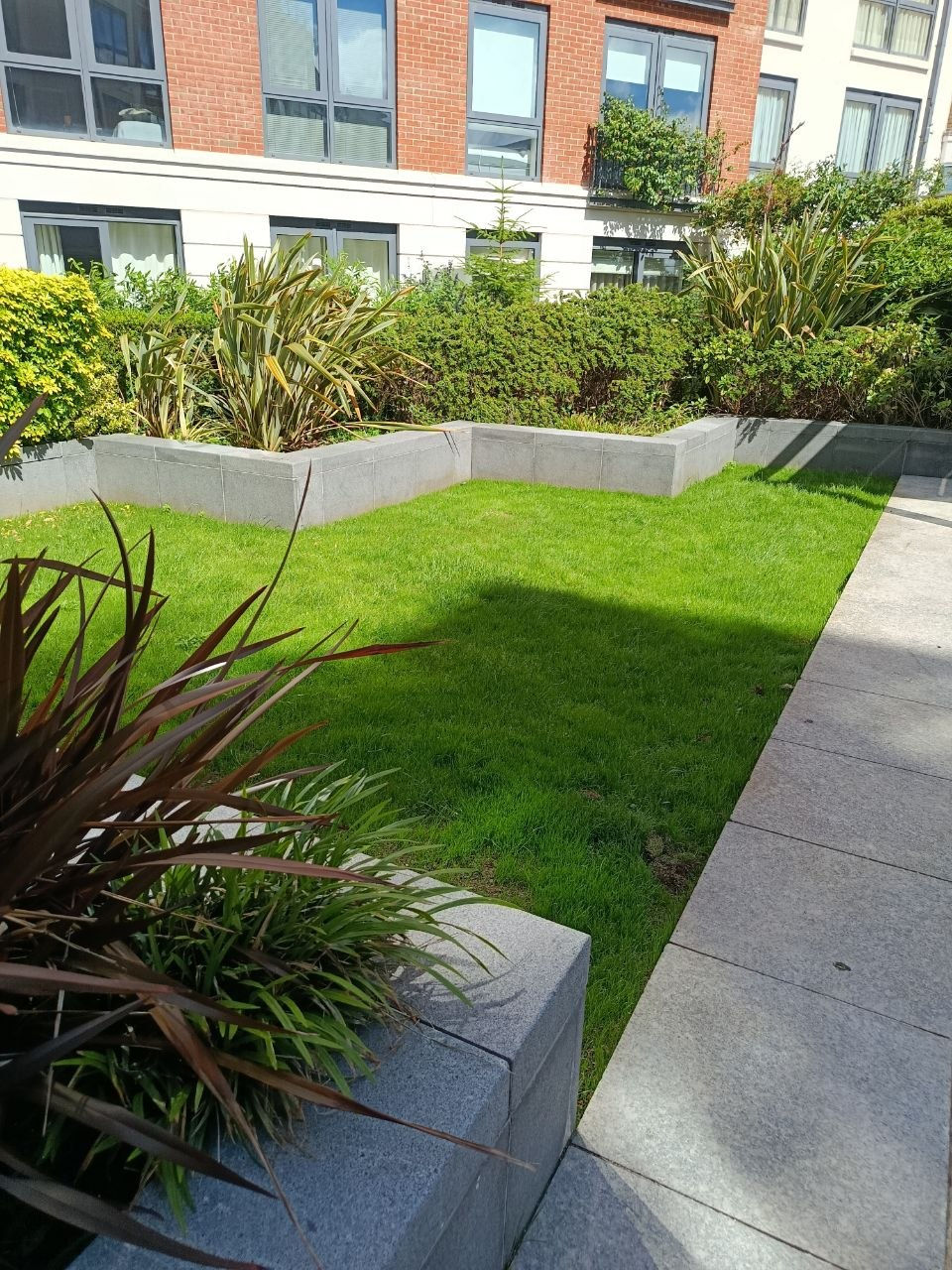
Our Recent Green Roof Project in London



Comments